U·MI
Branding, Interface, Conception
Have you “heard” about accessibility_
Accessibility is about designing out any unnecessary barriers that make it harder to engage and take part in everyday activities. Using this we could improve the communication between deaf and hearing people. We chose this area as an inspiration to build this project to take part in UX Design Awards.
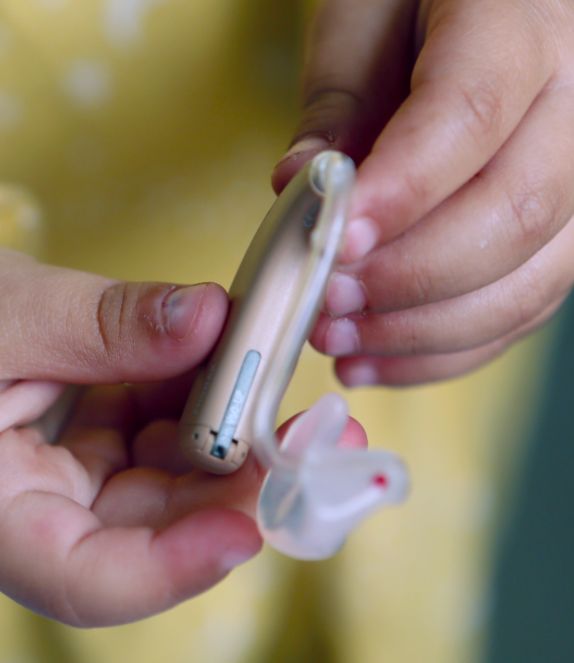
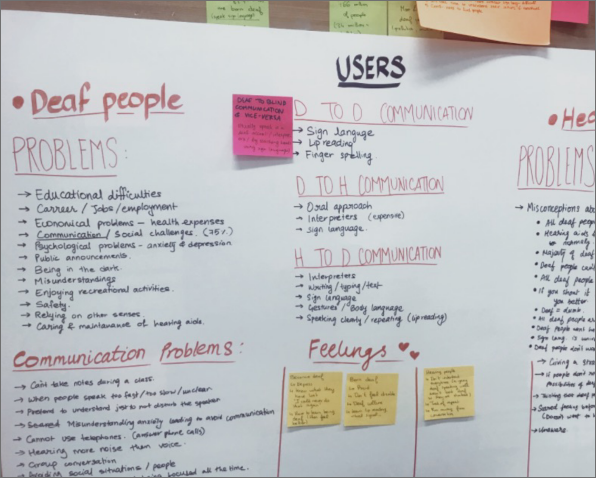
The starting point of our project was How to bridge the gap of communication between Deaf and hearing people. Most of the solutions today make the deaf people hear, but there are only some solutions today for bridging the Communication gap that exists today.
Busting myths and understanding mindsets_
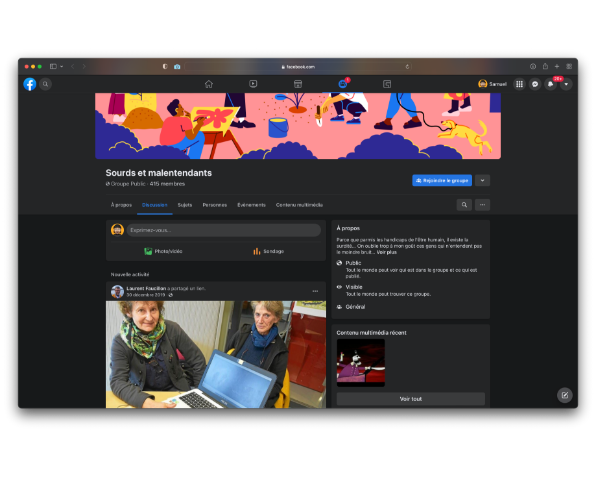
Reaching the deaf community through social media groups and connections
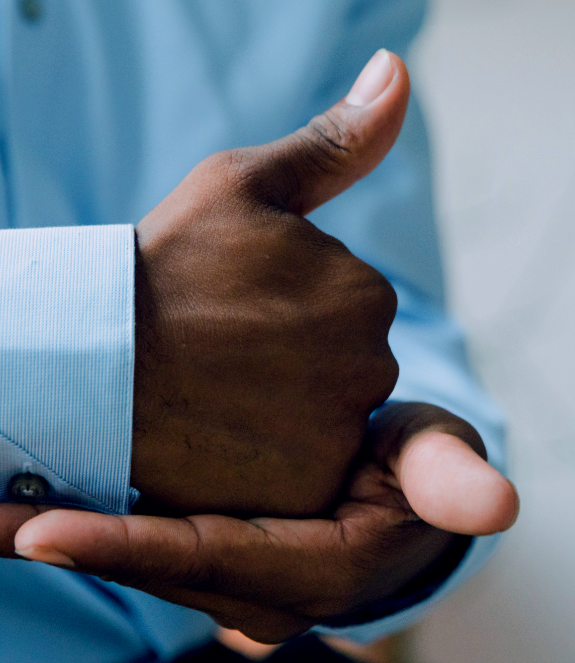
Being deaf is an invisible disability and might sometimes indirectly generate mental wellbeing issues and inability to comprehend information. As it could be difficult to step into the user’s shoes, we conducted customised surveys for deaf and hearing people. More than 50 people were ready to help us.
Interviews, experiments & expert opinions
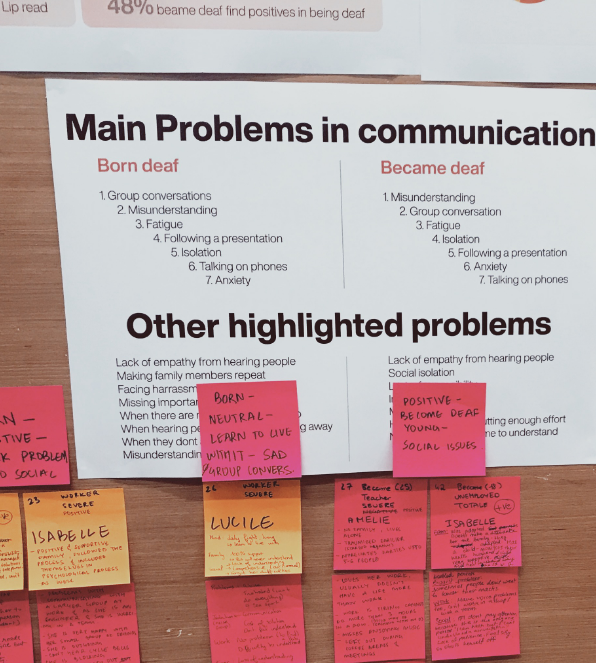
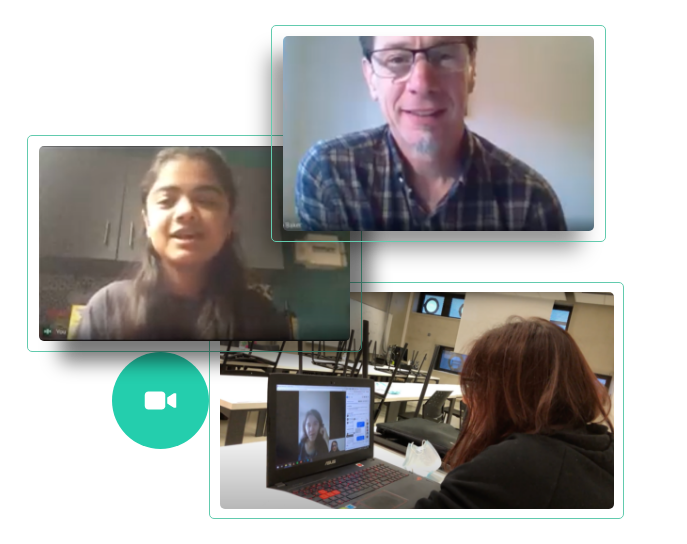
To know everything there was about this subject, we interviewed users (deaf people) and non users (hearing people, relatives or friends of deaf people) and experts such as deaf psychologist, ENT doctors .
A work day without sound_
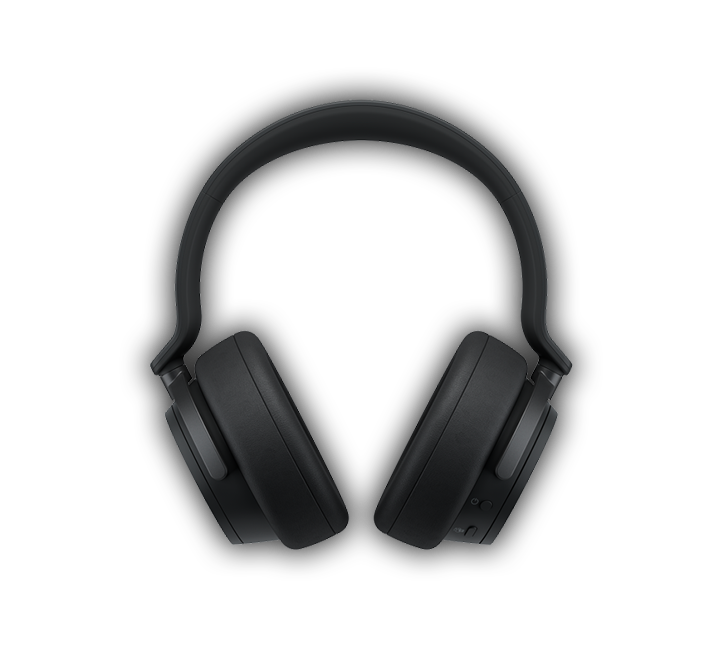
Each day one of us in the team would wear noise cancelling headphones to try to be in the shoes of the user. We wrote down our experience at thee end of the day and the consequences were that we could empathise better, discover root pain points and my team member almost go into an accident because she couldn't hear the car coming!
Investigating cause to consequences.
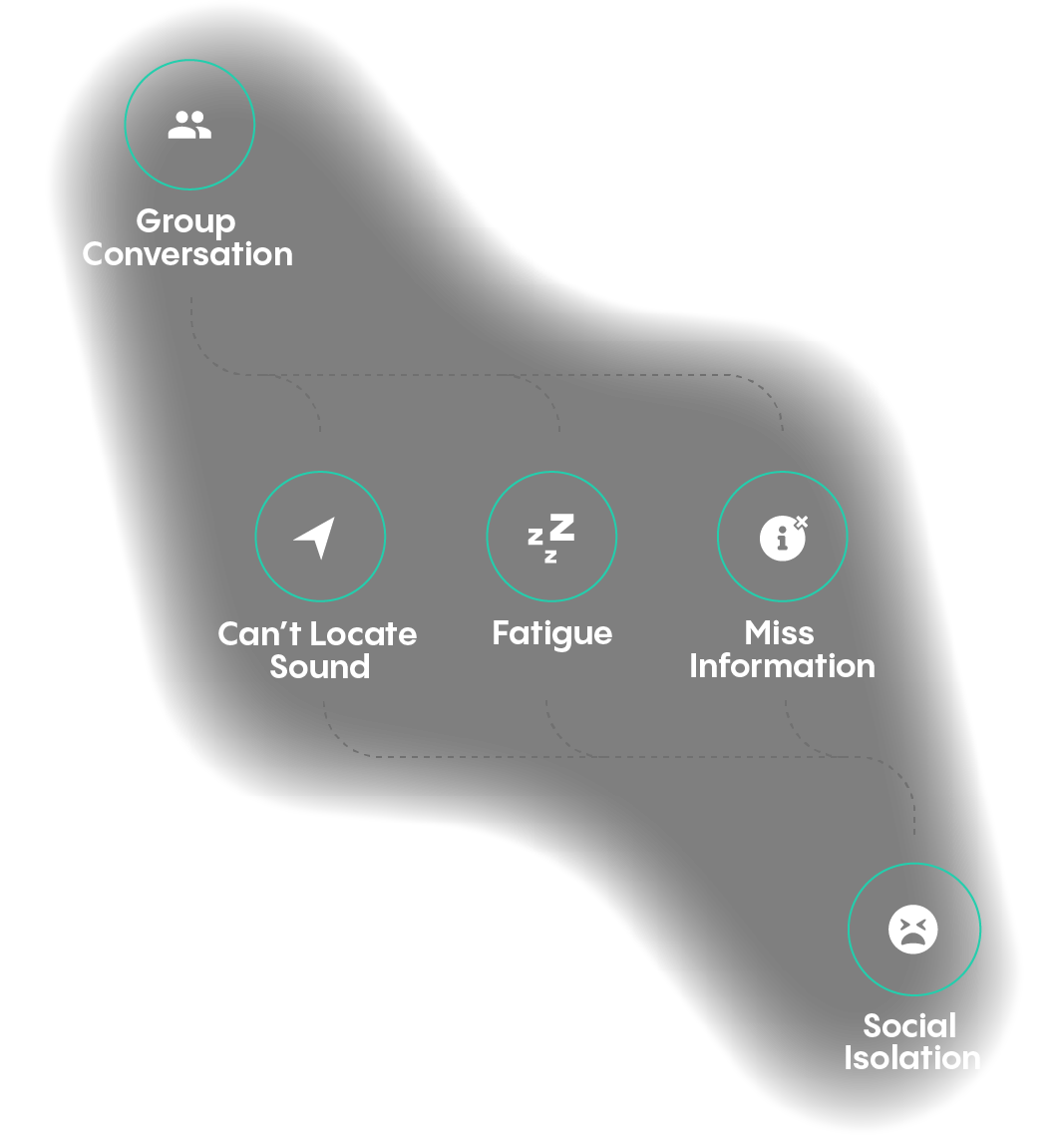
Understanding our users having different personalities, lifestyles and goals they face one major problem : Group conversations because they struggle locating sound to lip read, this leads to missing information not being able to understand or require concentration and focus which tires them and all of which can result in social isolation.
About the persona!
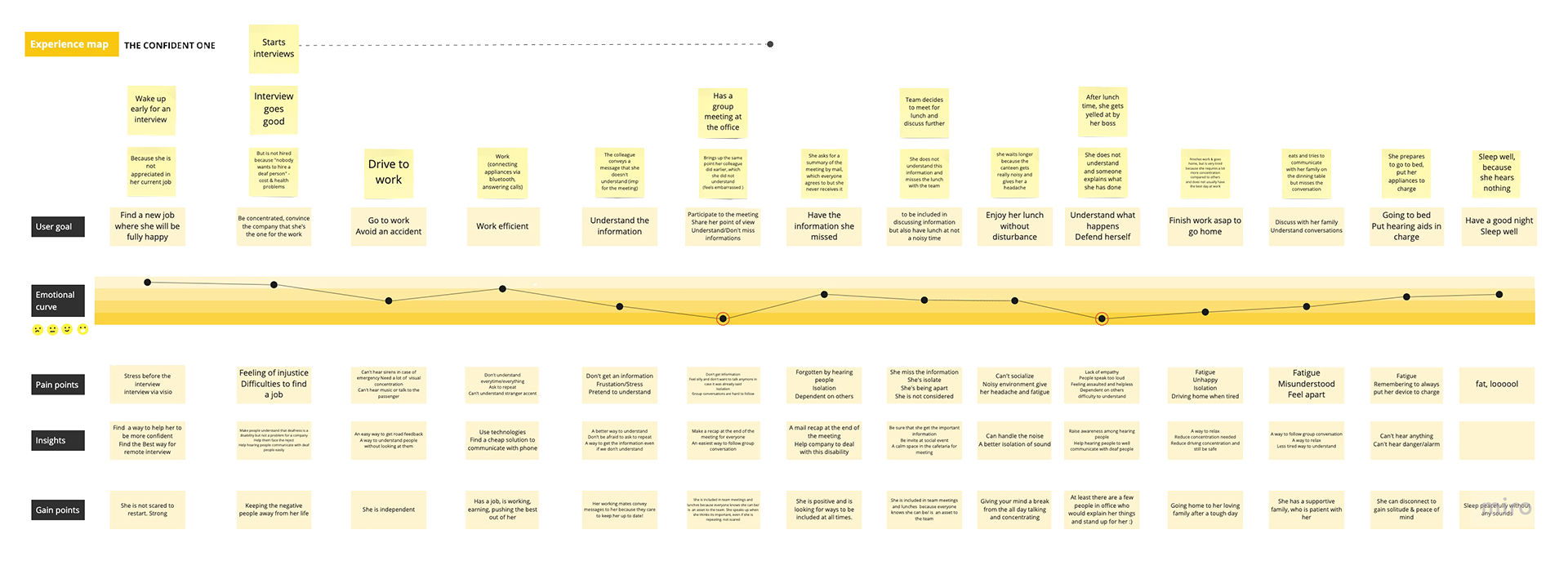
She became profoundly deaf 5 years ago. She is 30 years old and works at an office everyday. She lives in France with her family and has good “selective social life” She wants to be treated equally and doesn’t need sympathy.
Experience Map
Our user’s main problem was the same but in different contexts. We decided to focus on workplace because :
• They spend most of their time there.
• It’s the place where they have the most amount of group conversations with acquaintances, who don’t want to put effort as much as their loved ones.
• A better communication bond with people at work which could increase team coordination and communication of a group as a whole
Think, make, test, repeat_
Our ideas revolved around easing the life of deaf people and allowing them to efficiently get all the information, instead of converting them into hearing people unlike some of the solutions that exist in the market today. We realised communication is a two way street and both the sides have to put equal effort.
Games, workshops and brainstorming
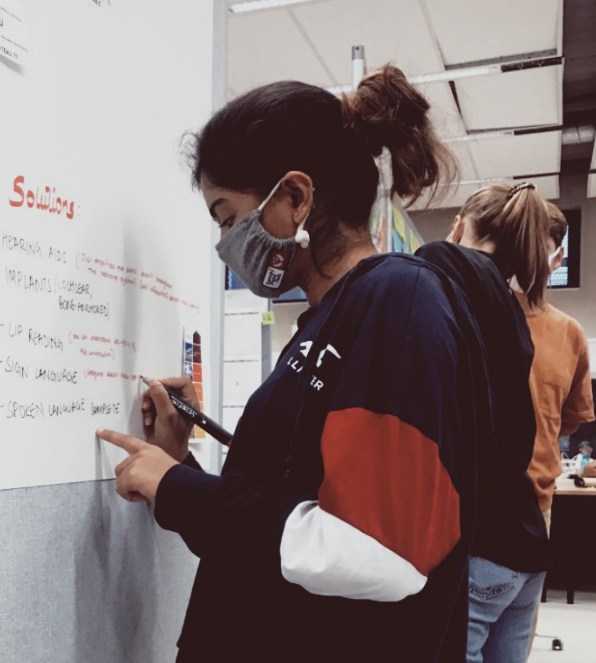
Firstly, I suggested the team to empty our brains by storing our unbiased primary ideas, then with m market study, following our creative axis, we did 2 hour game based sessions. We also brainstormed everyday to merge and conceptualise some ideas
Prototyping
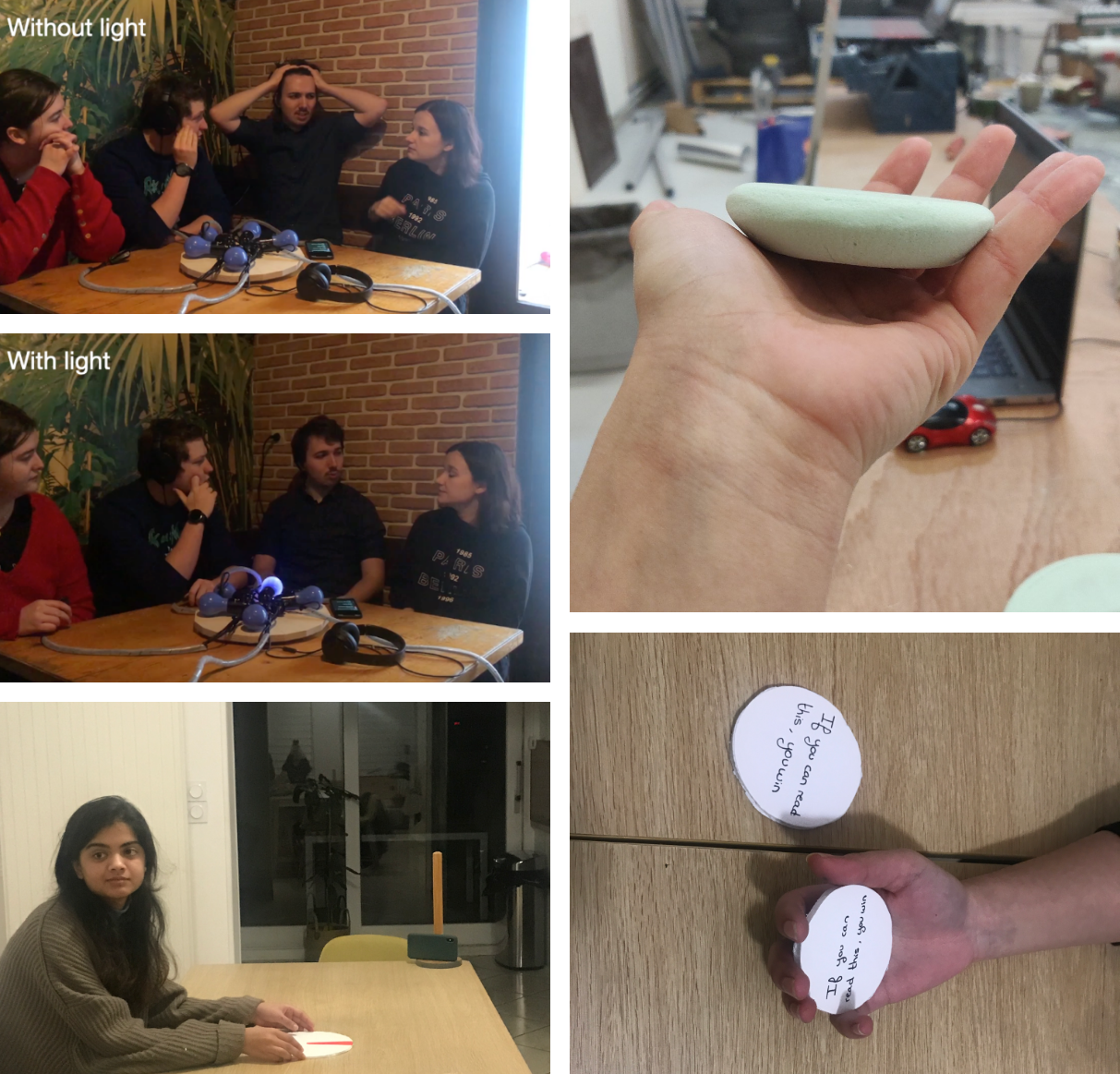
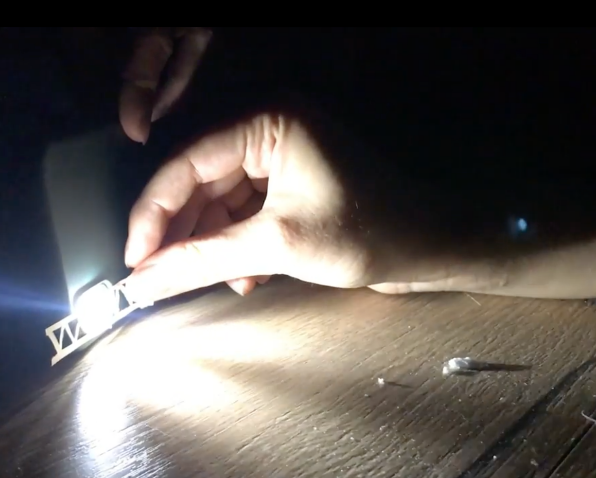
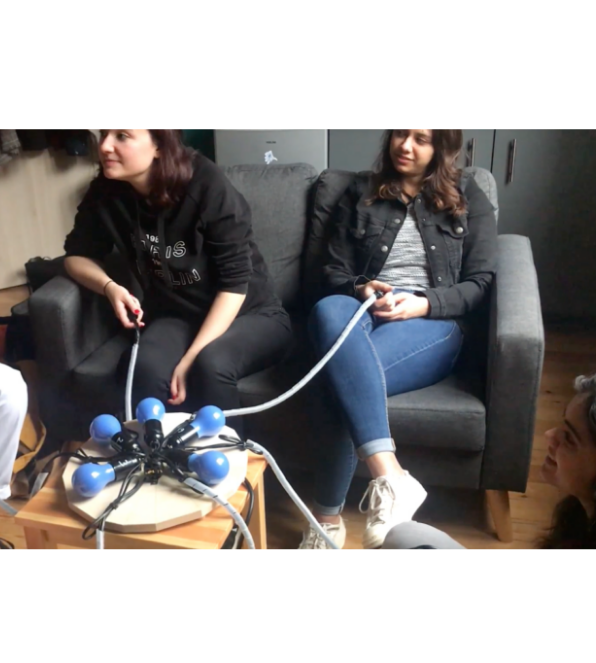
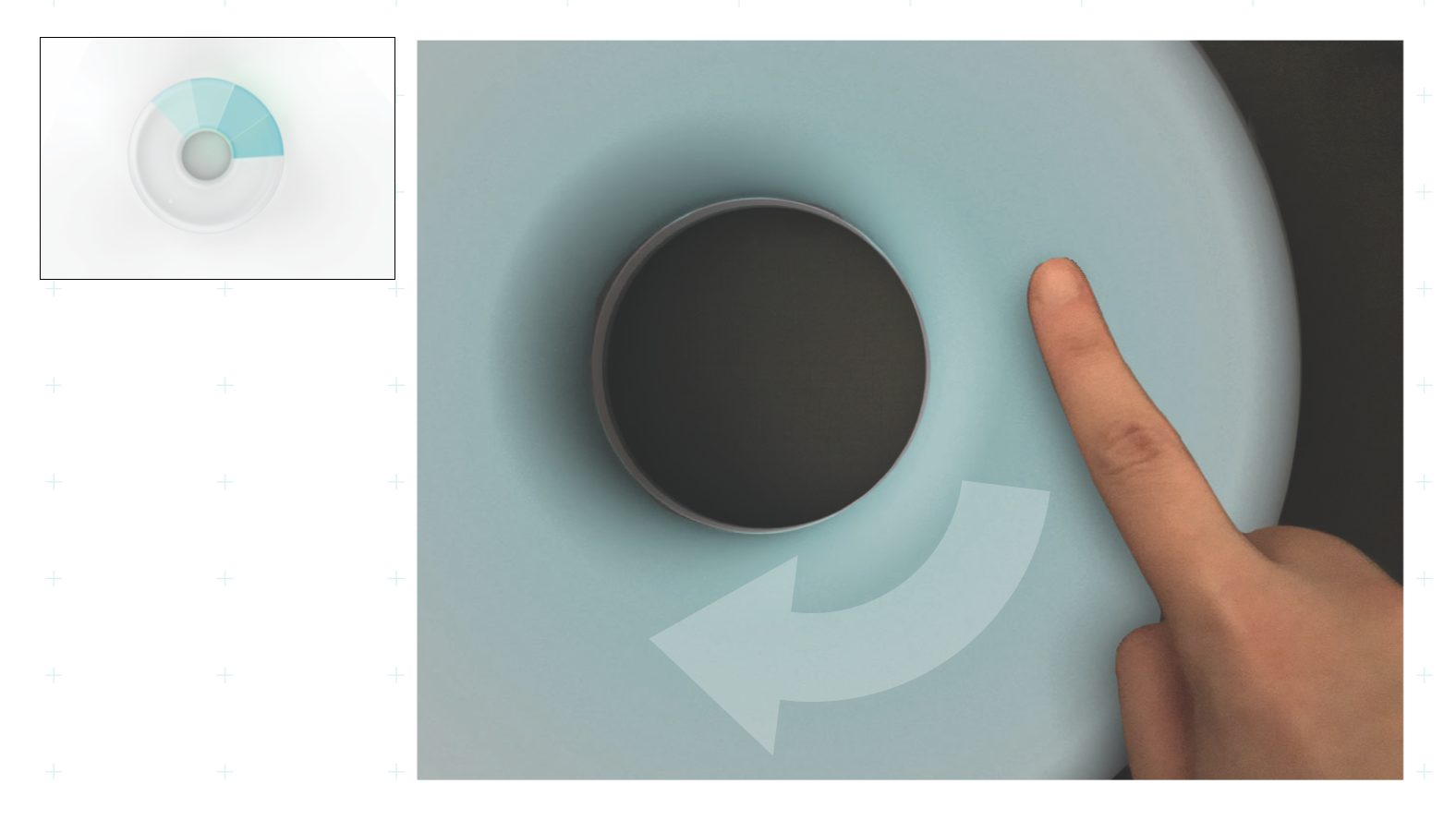
Some ideas needed low fidelity prototyping to test the efficiency of it. We made these using tools like Adobe XD, Figma, Arduino, Apple Watch, phones, paper, cardboard, paint, thermoform, anything we could find! For example, testing the light reflection on the surface and technically representing it or testing T.U.I. of the transcription object.
User testing
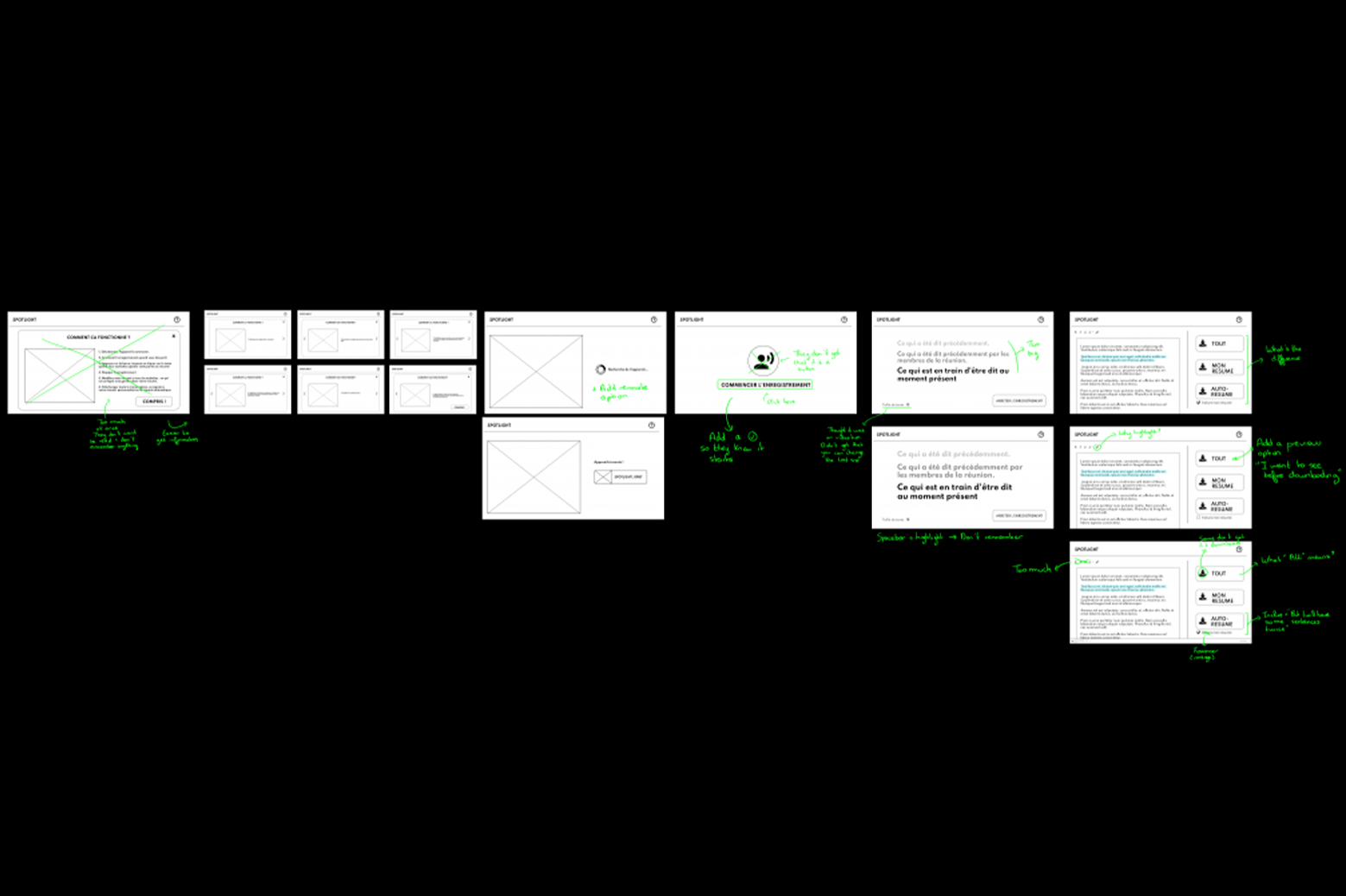
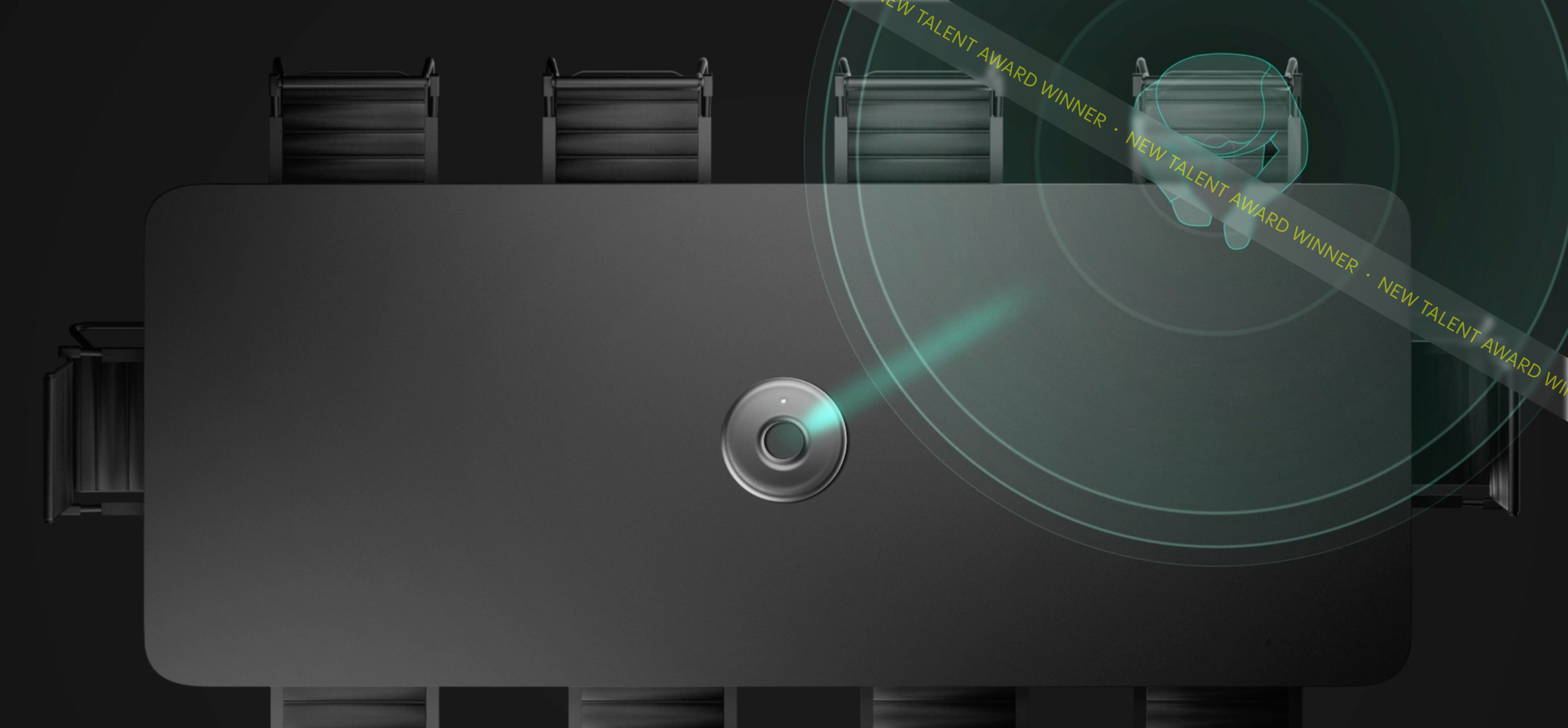
The interesting part was that our users were so motivated to help us throughout the project to constantly be willing to give feedback and try out our ideas. Their insights made us realise that some of the simple ideas that could be out of sight can make big differences in the user’s POV. For example; we looked at how the distance between the light and the mouth makes the user lose some time, so we have to fix it by adding a ray of light under the product to be projected on the table.
We created different combinations of ideas into 5 concepts, mainly focusing on helping our users to navigate where the sound is coming from in a group setting and what are their needs at the workplace regarding information. From our analysis and user feedback, we had a solid concept towards the end.
Simplicity with details_
User interface in a nutshell
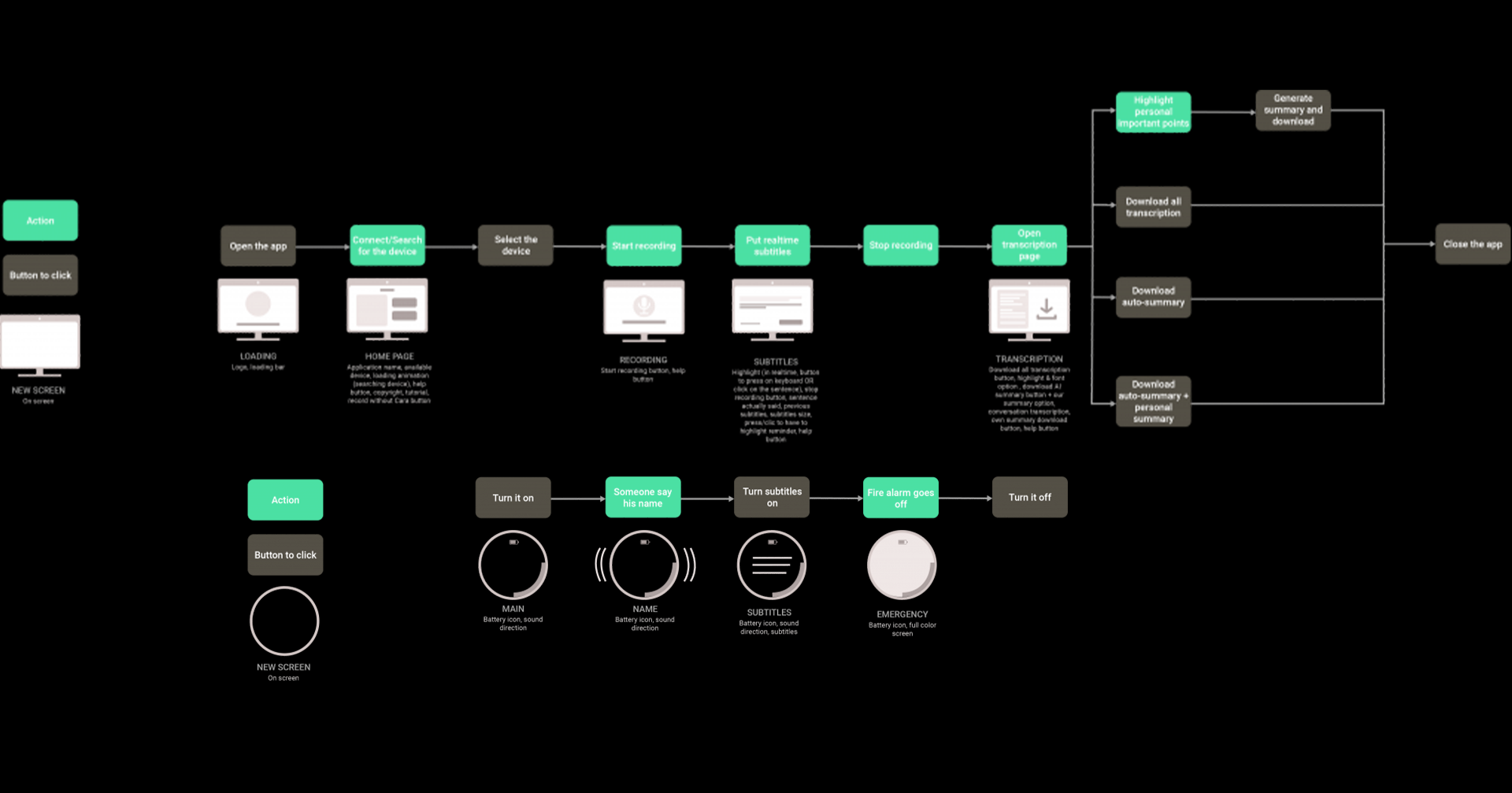
Similar to the product process, we simultaneously created the UI using the same design language and emotion. Starting from user flow, details, user feedback to design system, branding and UI prototype. We decided to name our brand U·MI, to put an emphasis on "You" and "Me" signifying conversations.


Cara
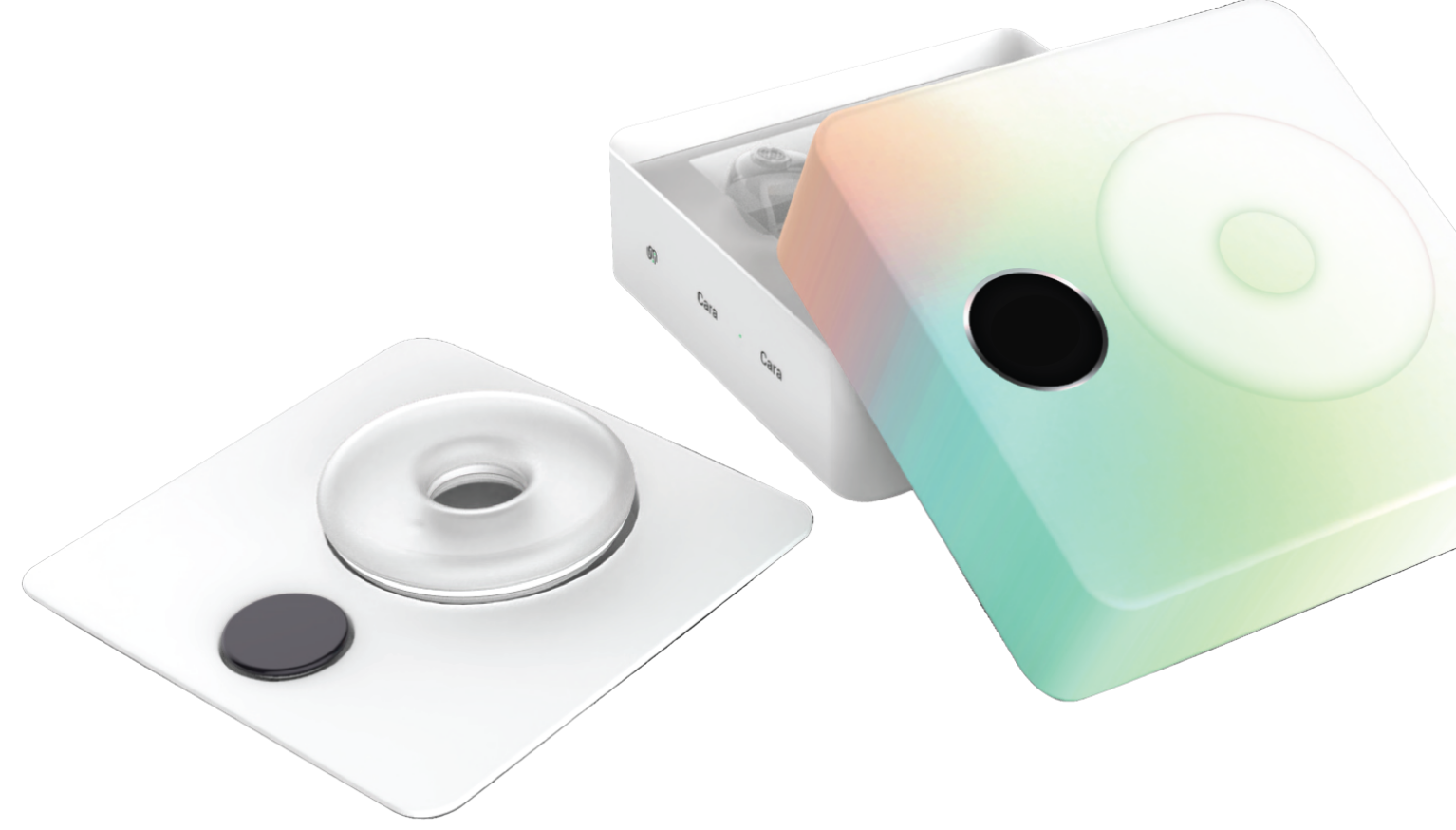
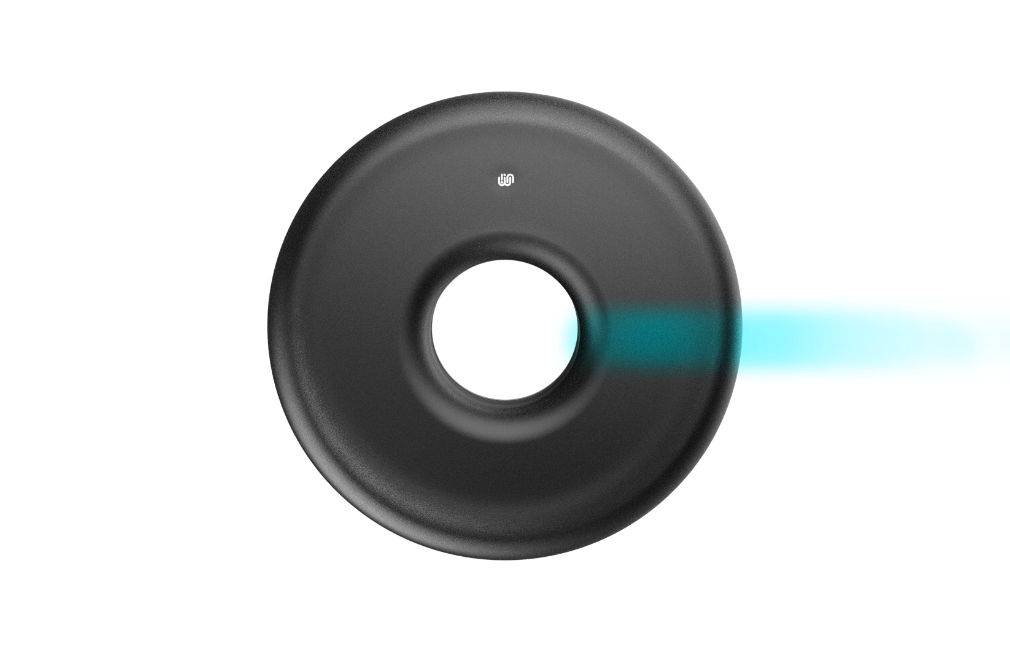
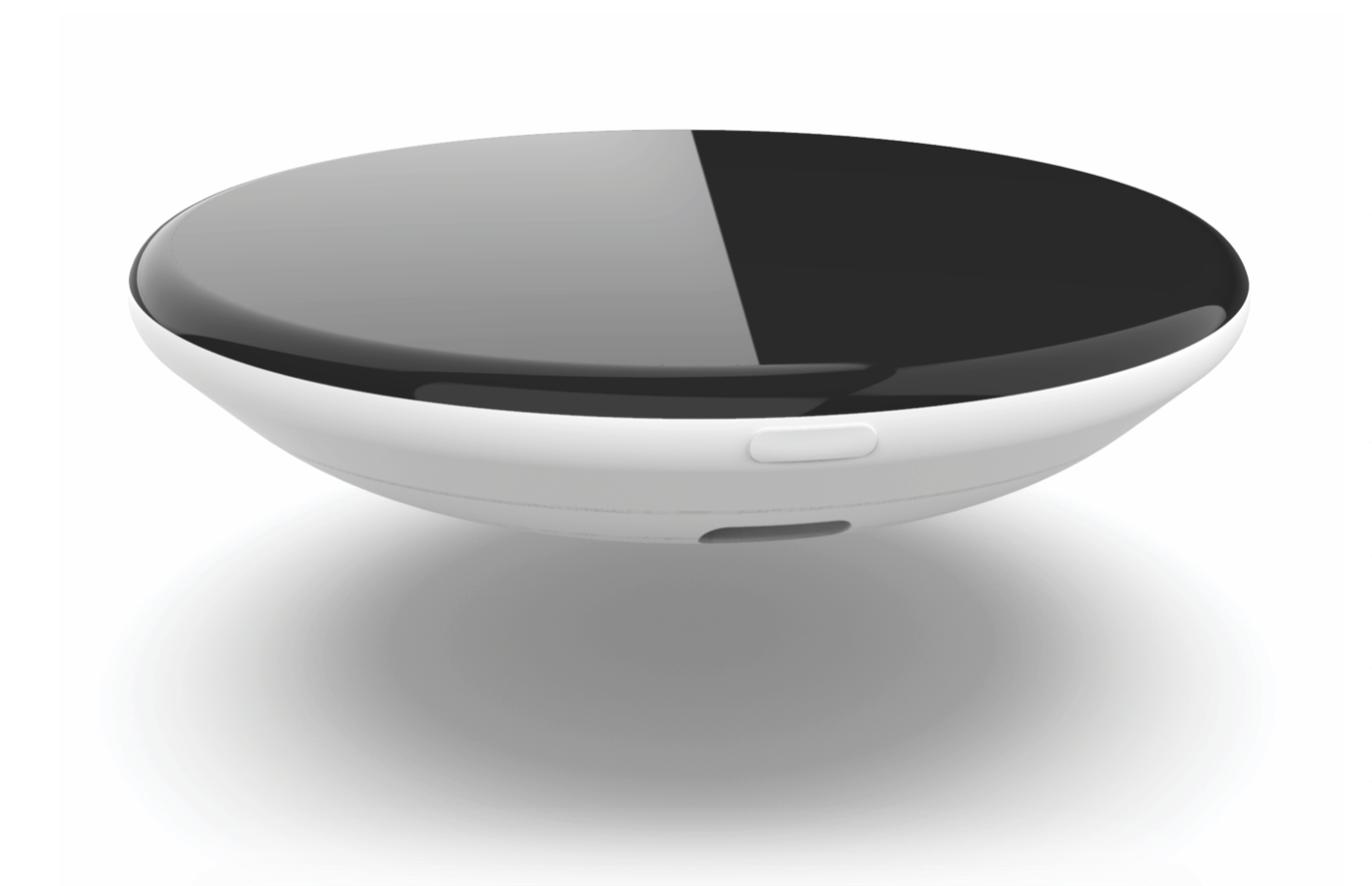
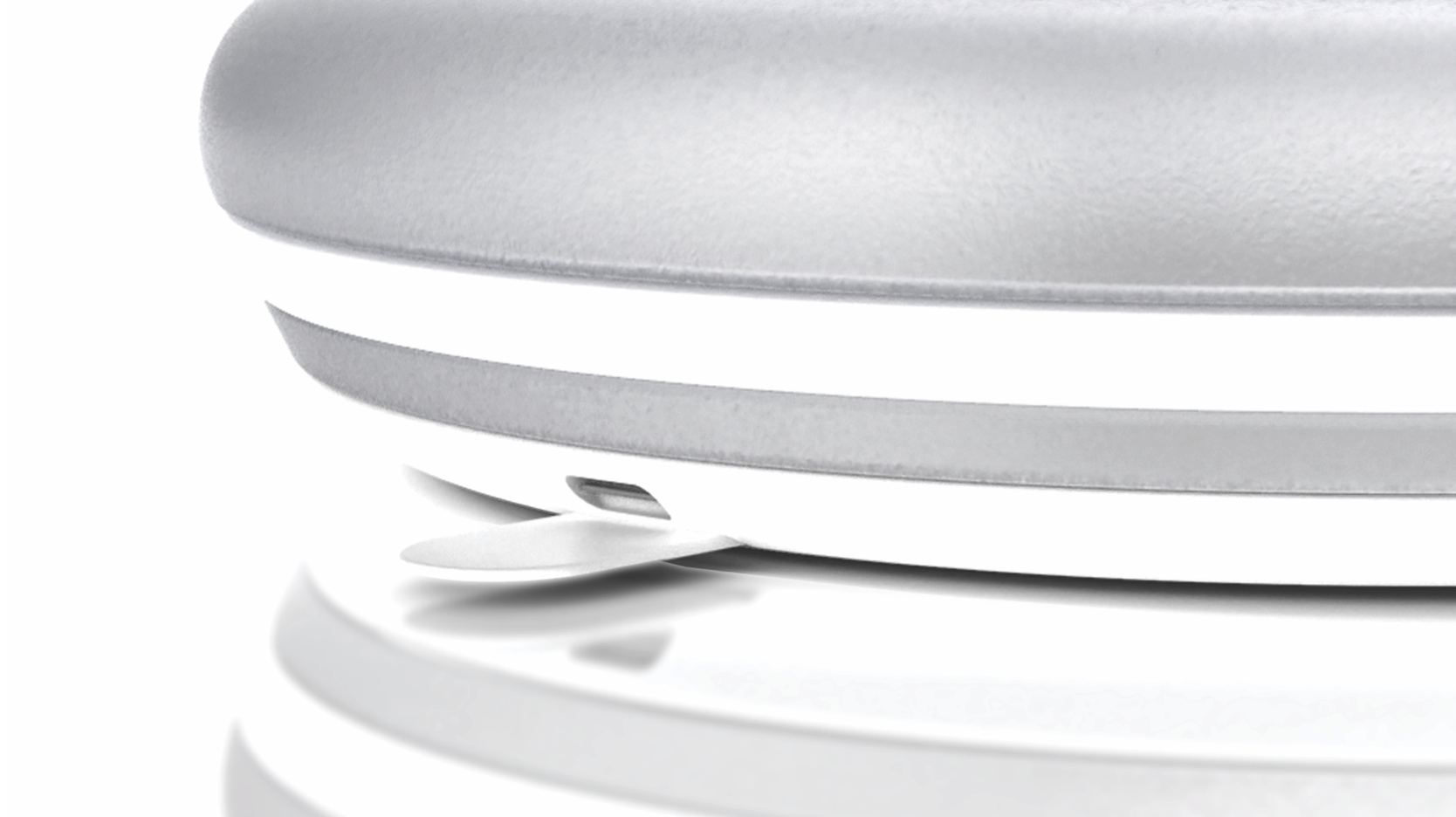
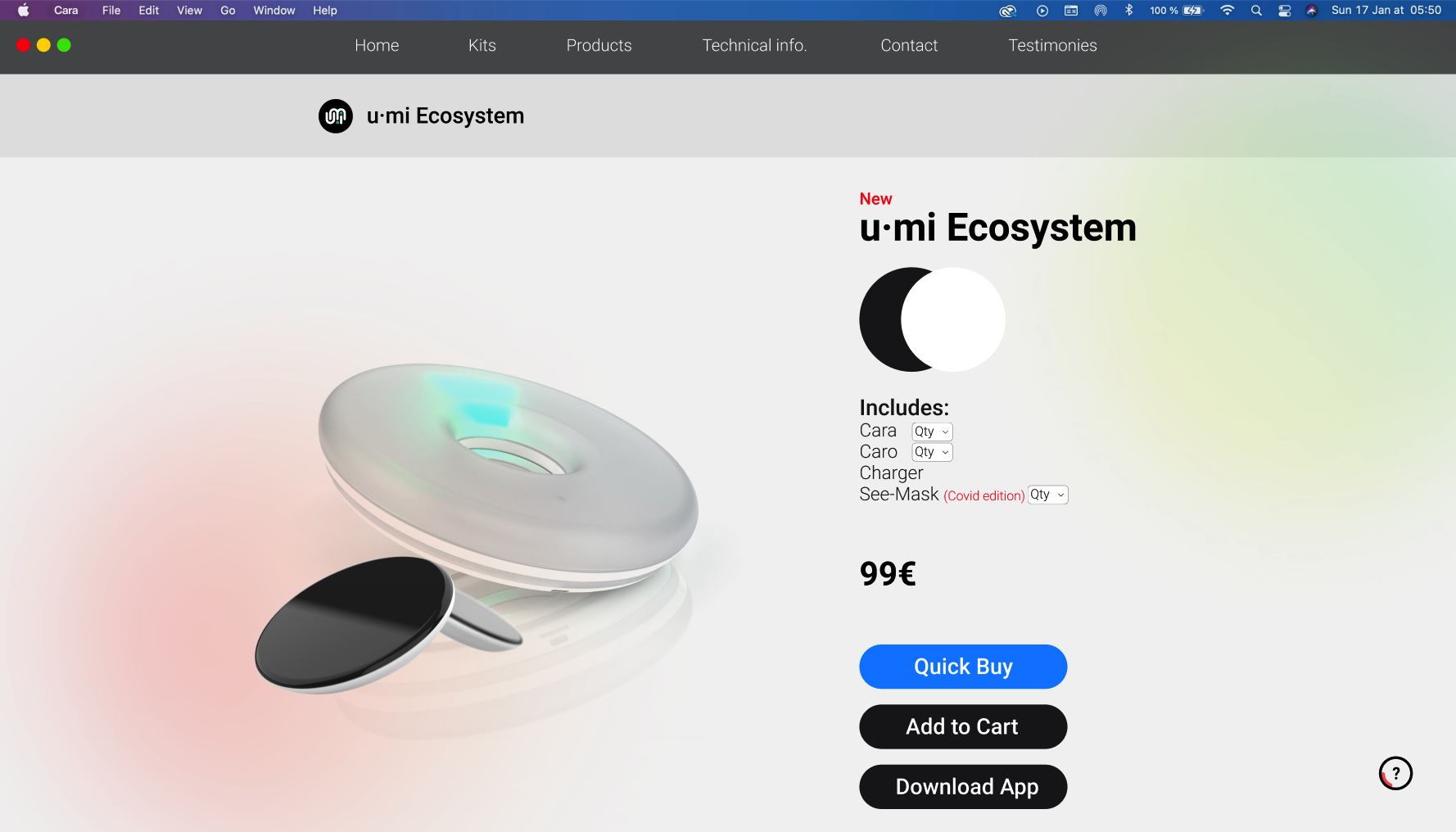
Cara is a group pod and with the help of light beam, Cara will show you who is speaking by pointing the light towards that direction. A long projection will reduce the distance between the light and the speaker’s face. Therefore missing less information / words and using peripheral vision in practice. To be able to easily lip read, we also offer transparent masks as a covid edition.
Caro
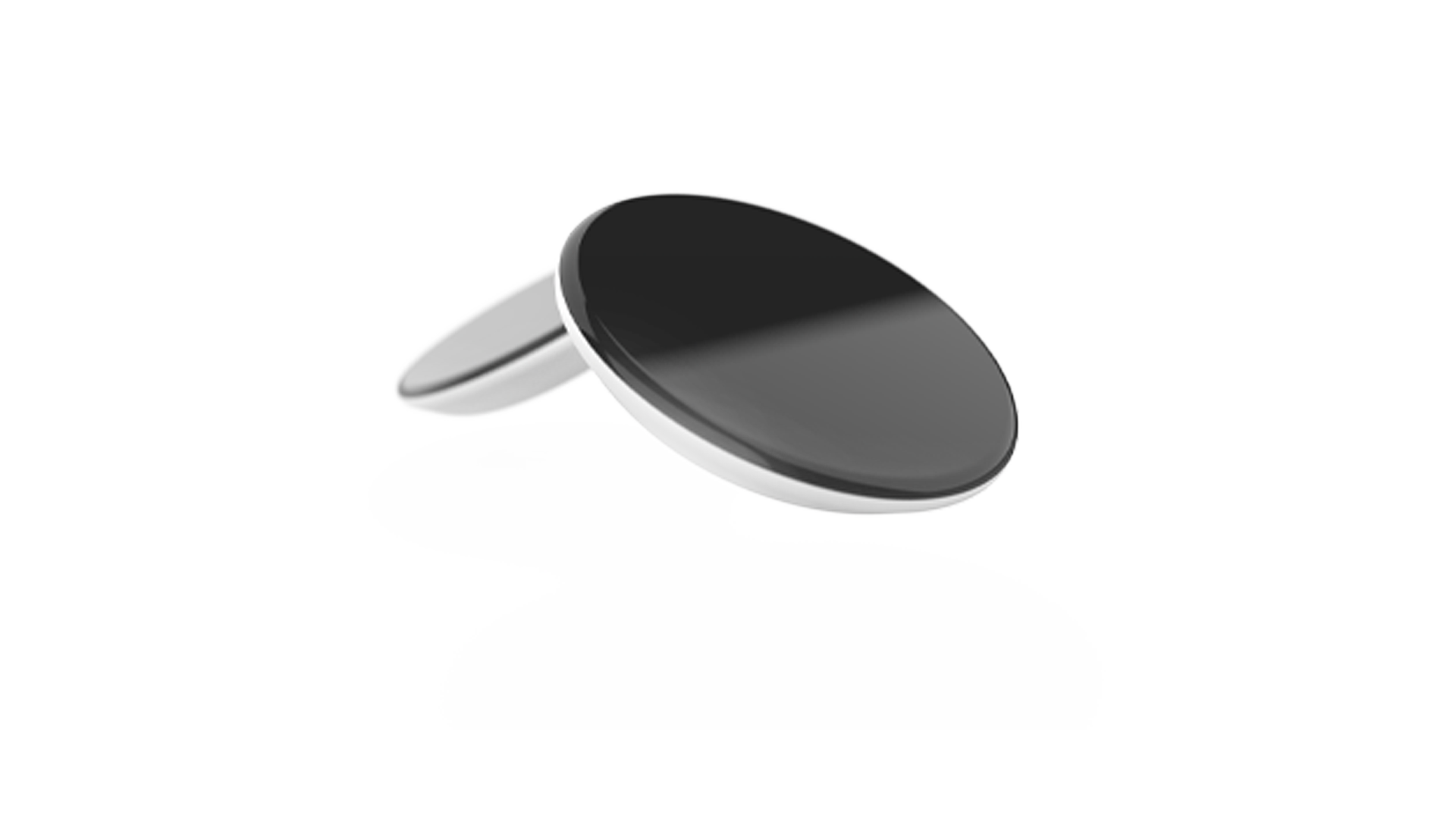
Caro is a discreet and non-disruptive pod that also shows you the location of sound with subtitles & can be placed on your personal desk or taken to presentations or workshops. It also warns you if someone’s calling you or if there’s an emergency.
Subtitles & Summary
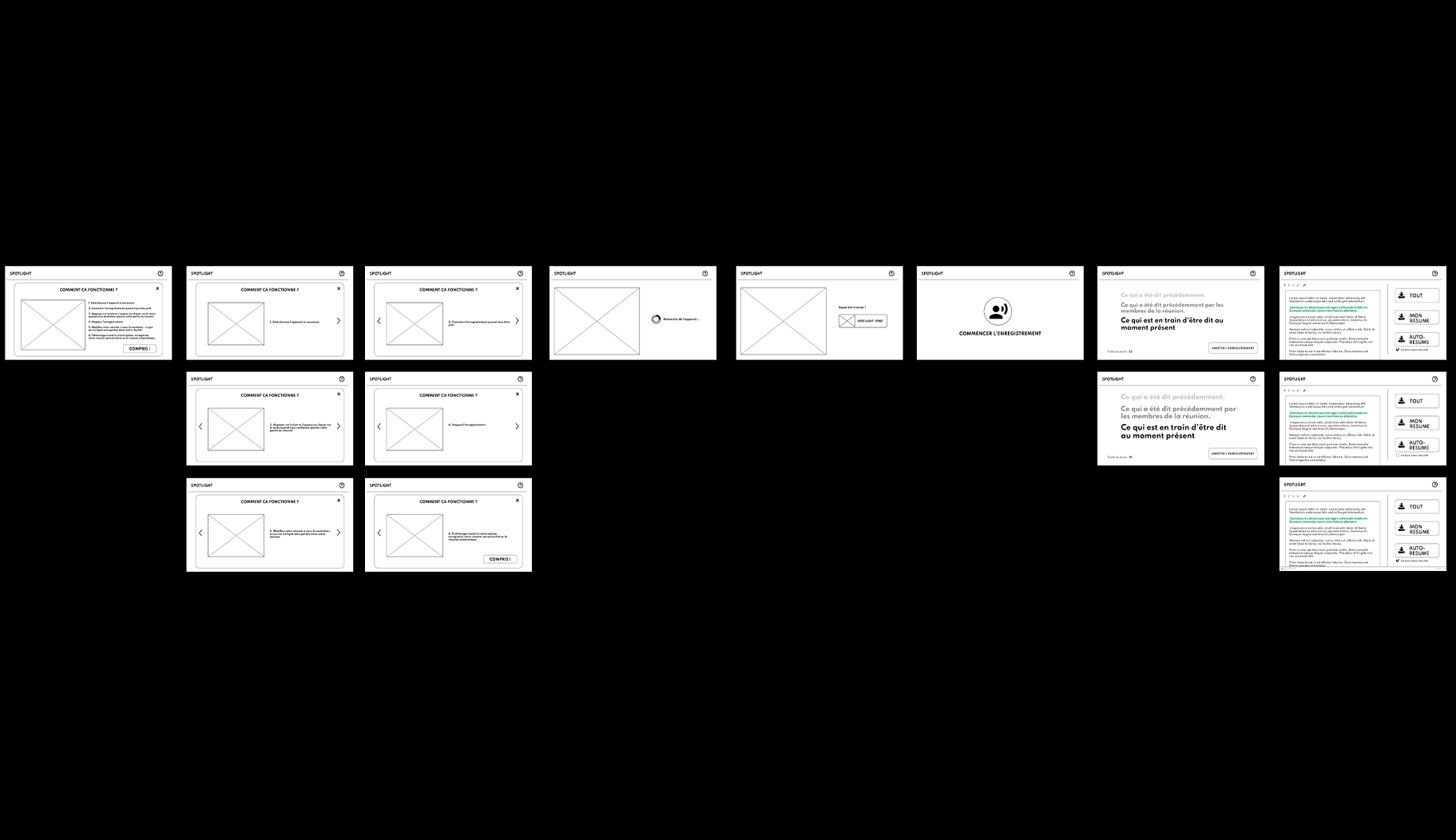
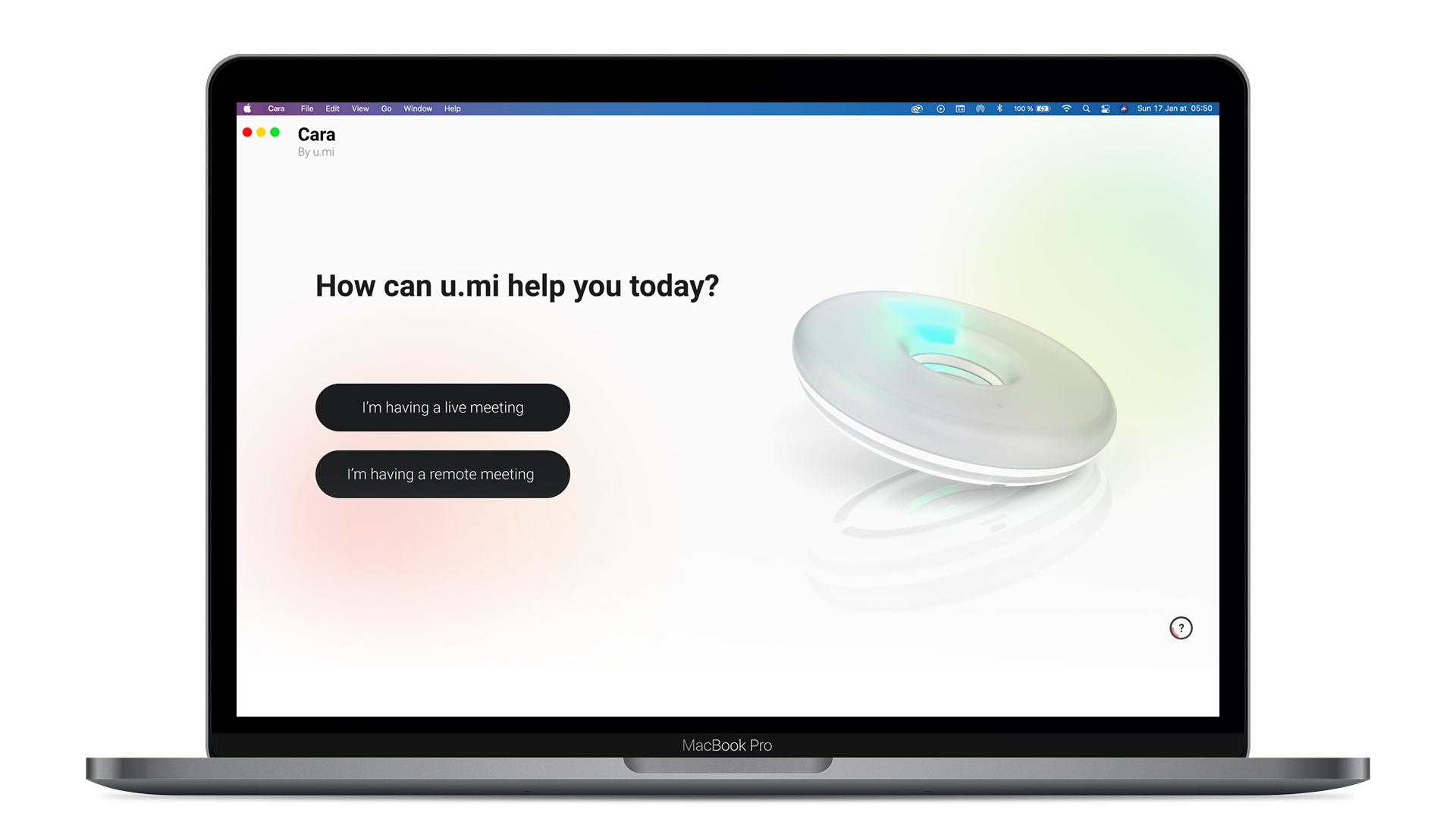
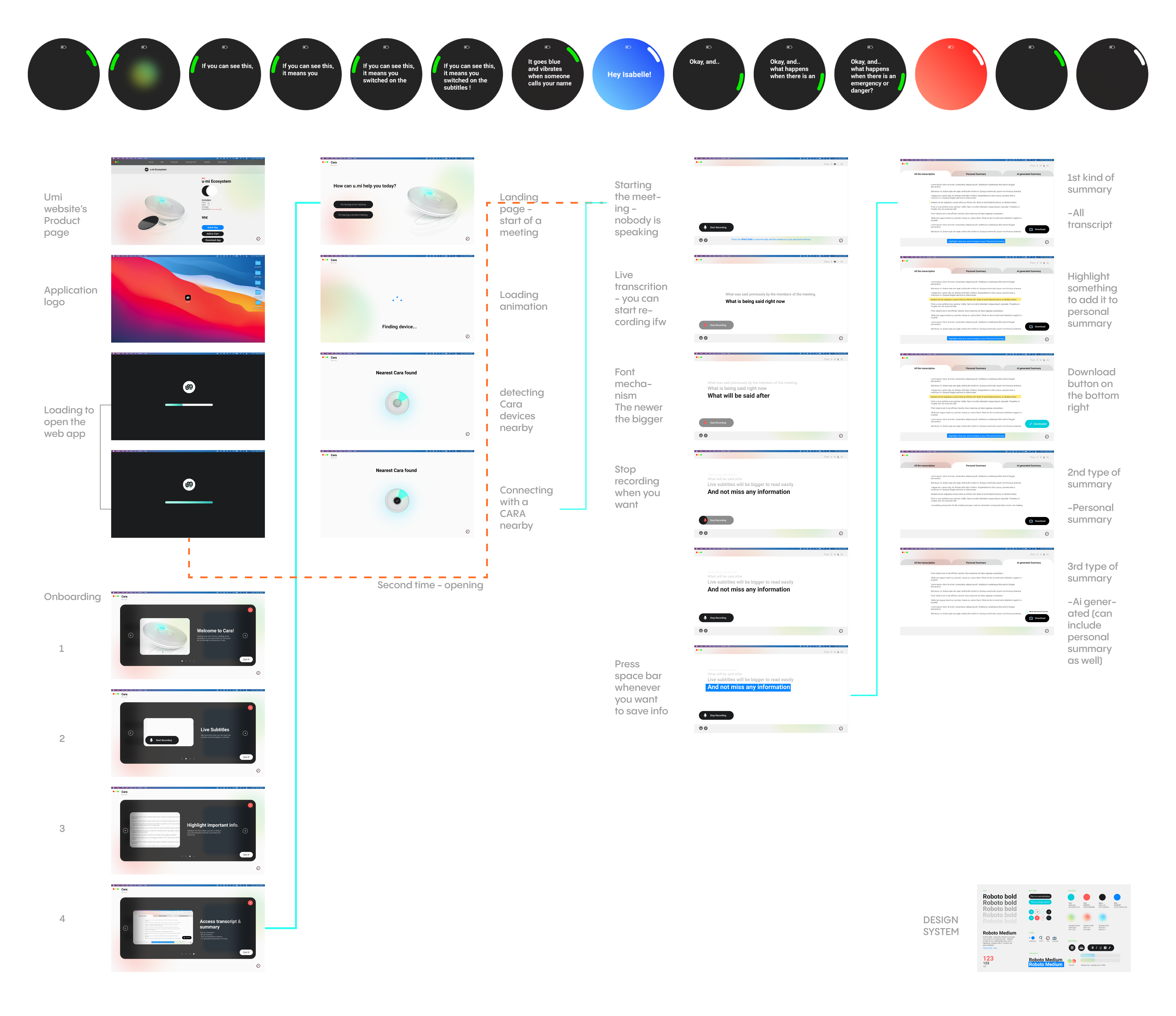
Once you open the u·mi app, you can see live transcription, to quickly glance if you miss something or go back to the things that are said before. You also get a summary at the end to get all the accurate informations efficiently.
User Interface of Caro and UMI Web App
The digital interface of the first line of products are designed to:
1. Help users locate where the sound is coming from
2. Lip read faster with the help of subtitles to back them up if they miss anything
3. Empower and integrate the users and generate empathy and awareness among the hearing people.
4. Help everyone in the office to get all the important information required through the summary feature
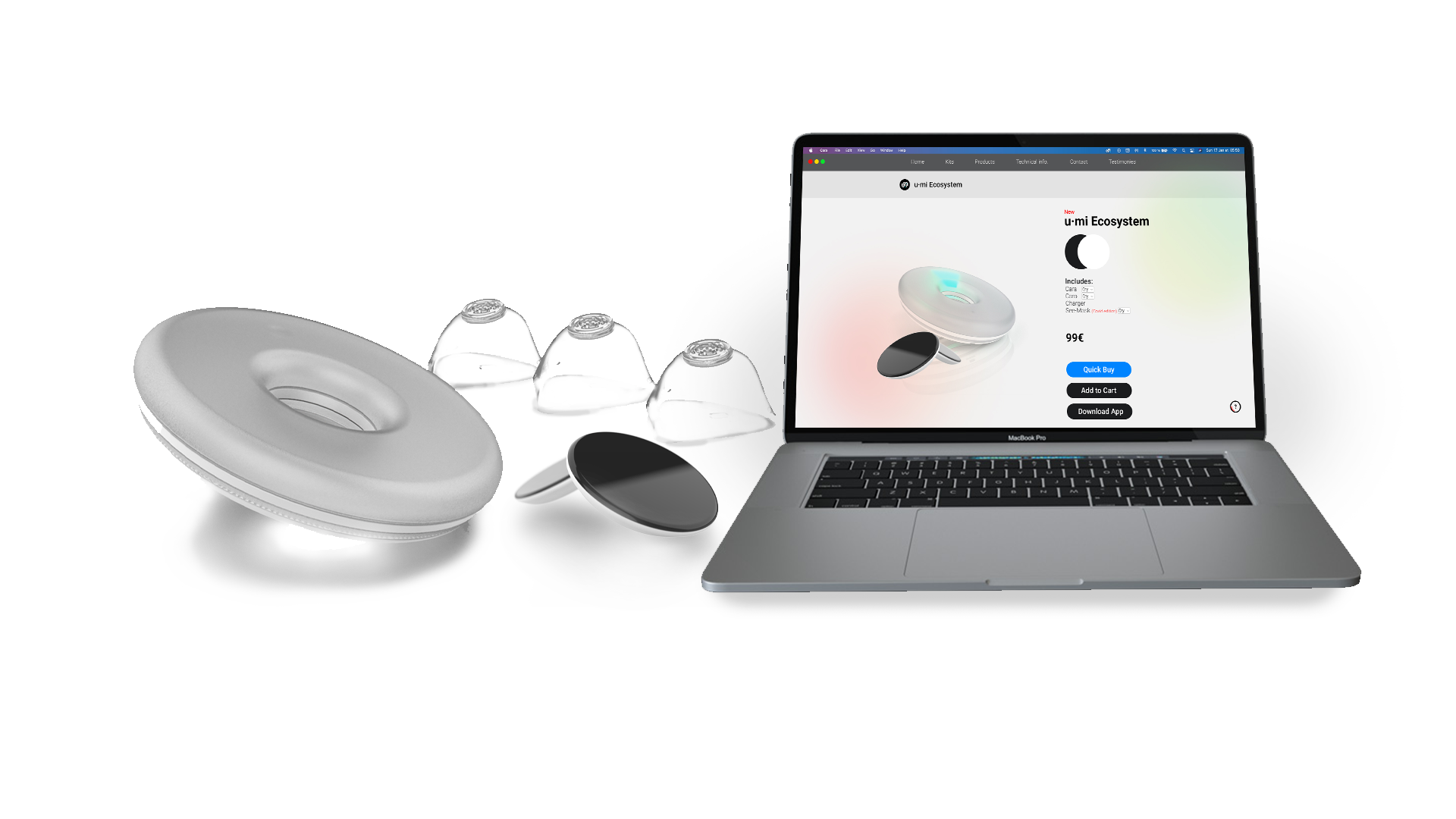
UMI ecosystem explained
Detailed Shots